
How to use QR codes to share nutritional information
Today’s consumers are more conscious than ever about what they eat. Nutritional value, product composition, and sourcing have become key factors in purchasing decisions, especially for health-conscious individuals, those with dietary restrictions, and parents focused on their children’s nutrition.
Yet, standard packaging labels often fall short. The font is too small, the information is lacking, and it can be tough to decipher without specialized knowledge.
The answer? QR codes. With a quick scan from their phone, customers can access a detailed product page featuring calorie counts, macronutrients (protein, fat, carbohydrates), allergens, certifications, usage tips, and even recipes. This not only offers convenience but also helps businesses foster consumer trust by showcasing transparency and accountability.
This Label Insight report reveals that 94% of consumers believe it’s essential for brands to provide comprehensive information about the composition and production methods of the food they sell.
Let’s dive into how to leverage QR codes for displaying nutritional information, share real-world success stories, and offer practical implementation tips.

What is a QR code and how does it work?
A QR code (short for Quick Response) is a two-dimensional barcode that can store a wealth of information and deliver it instantly when scanned. Simply point your smartphone’s camera, and you’ll be directed to a web page, PDF document, or interactive menu.
QR codes unlock a comprehensive nutritional value table, ingredient lists, allergen information, and details about the product’s origin and certification. Some even include recipes or brand stories to enhance the experience.

QR codes are incredibly versatile and can be seamlessly integrated into packaging of any size, whether it’s a juice bottle or a restaurant menu. No separate app is needed as most modern smartphones can scan them directly through their cameras.
Benefits of using QR codes to display nutrition facts
1. Saves space on packaging
Label space is at a premium. A QR code allows you to move detailed information (like full nutritional breakdowns and ingredient sources) into a digital format, keeping your packaging design clean and uncluttered.
2. Relevance and flexibility of information
If a recipe changes or a new certification is obtained, you can easily update the digital content without the need to reprint labels. This is especially beneficial for brands that offer seasonal or artisanal products.
3. Interactivity and customer engagement
A QR code is more than just a link. It can lead to videos, reviews, tips, FAQs, or even a calorie calculator. This interactive experience boosts engagement and fosters brand trust.
4. Customer analytics
With platforms like Cut0, you can track how often your QR codes are scanned, which pages users visit, and which products attract the most attention. These insights are invaluable for optimizing your product lineup and marketing strategies.
Examples and use cases
Digital menus with ingredients in restaurants
In many restaurants, QR codes have taken the place of paper menus. Beyond just convenience, they provide detailed information about each dish, including calorie counts, allergens, and ingredient sourcing.
For instance, the popular U.S.-based salad chain Sweetgreen uses QR codes to display not just ingredients, but also the macronutrient breakdown and carbon footprint of each meal.

Transparency on supermarket shelves
Major retailers like Carrefour and Walmart are experimenting with QR codes on packaging that link to product pages featuring nutrition facts, certifications, and details about farm origins.
For example, in 2018, Carrefour launched its “From Field to Shelf” initiative, allowing customers to scan QR codes to discover where their tomatoes were grown and how much sugar they contained.
Utilized by food producers
Food brands are actively leveraging QR codes to go beyond just nutrition, sharing the stories behind their products, preparation tips, and recipe videos.
For instance, Coca-Cola includes QR codes on its Minute Maid orange juices that link to a page with detailed ingredients, listed vitamins, and allergen information.

Farm products
Independent producers looking to build trust are using QR codes to share lab test results, certifications, and customer reviews.
For example, Hawaiian company Sensei Farms uses QR codes on product labels that link to its website, where customers can find nutritional facts and recipes.

How to implement: step-by-step instructions for business
1. Prepare your content
To effectively implement QR codes, start by preparing your content. Gather accurate data about your products, including calorie content, macronutrients like protein, fat, and carbohydrates, as well as ingredients, additives, and allergens.
Additionally, include certifications, product origin, and useful storage and usage tips. Definitely add customer reviews if they are available to you.
2. Create your product page
This could be a dedicated product page on your website, a cloud-hosted PDF, or an interactive card through a specialized service. The goal is to ensure that customers can easily access comprehensive information about your products.
3. Generate a QR code
Use Cut0’s QR code generator to create, customize, and track your QR codes and their performance.
4. Add QR codes to packaging, menus, or displays
After generating the QR codes, add them to your packaging, menus, or displays. Make sure the codes are easily readable, with a minimum size of 2×2 cm, and consider protecting them by laminating or printing them on durable tags. To encourage customer interaction, include a callout such as “Scan for Ingredients” or “Check Nutrition Facts.”
5. Test before launching
Ensure your QR codes work seamlessly on both iOS and Android devices, that the linked page loads quickly, and that the content is easy to navigate.
6. Collect feedback
After your QR codes are live, collect feedback from your customers. Ask them if the QR code was helpful and monitor scan statistics and interest levels by product. This data will be invaluable for refining your presentation and offerings, ultimately enhancing the customer experience.
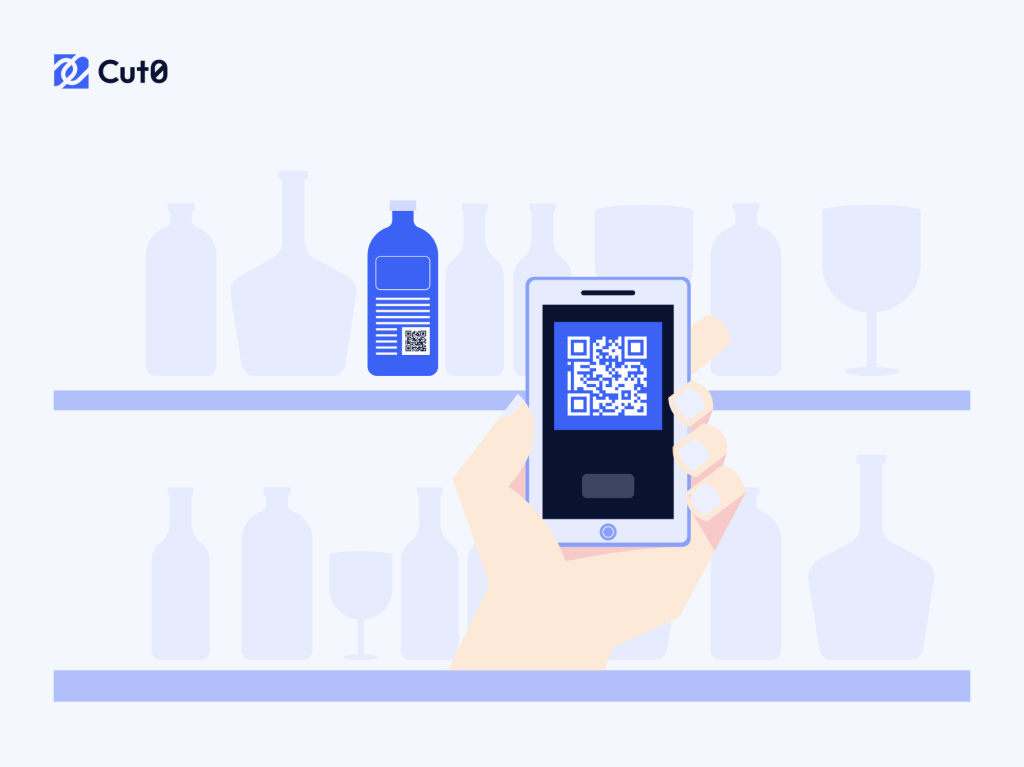
In a world of savvy consumers, transparency and easy access to information are no longer perks – they’re a must! QR codes offer a simple, low-cost, and powerful way to share nutritional value, build trust, and boost customer loyalty.
These codes let brands break free from static labels and spark a dynamic digital conversation with customers. They can share facts, stories, tips, and even emotions, enriching the consumer experience.
Best of all, implementing QR codes doesn’t require a hefty investment, yet the impact can be significant. Think improved brand perception and increased sales from informed buyers. Think loyal customers and repeat sales. And don’t forget about the opportunity to stand out in a crowded market by showcasing your commitment to transparency and quality.
Want to prove your brand’s trustworthiness? Create QR codes with comprehensive nutritional data using Cut0, the QR code and link-shortening platform that makes it easy to generate, update, and track your codes effortlessly. With Cut0, you can track performance, build customer loyalty, and boost your sales, all from one easy-to-use platform. Sign up to Cut0 now to generate your first QR codes for free!